
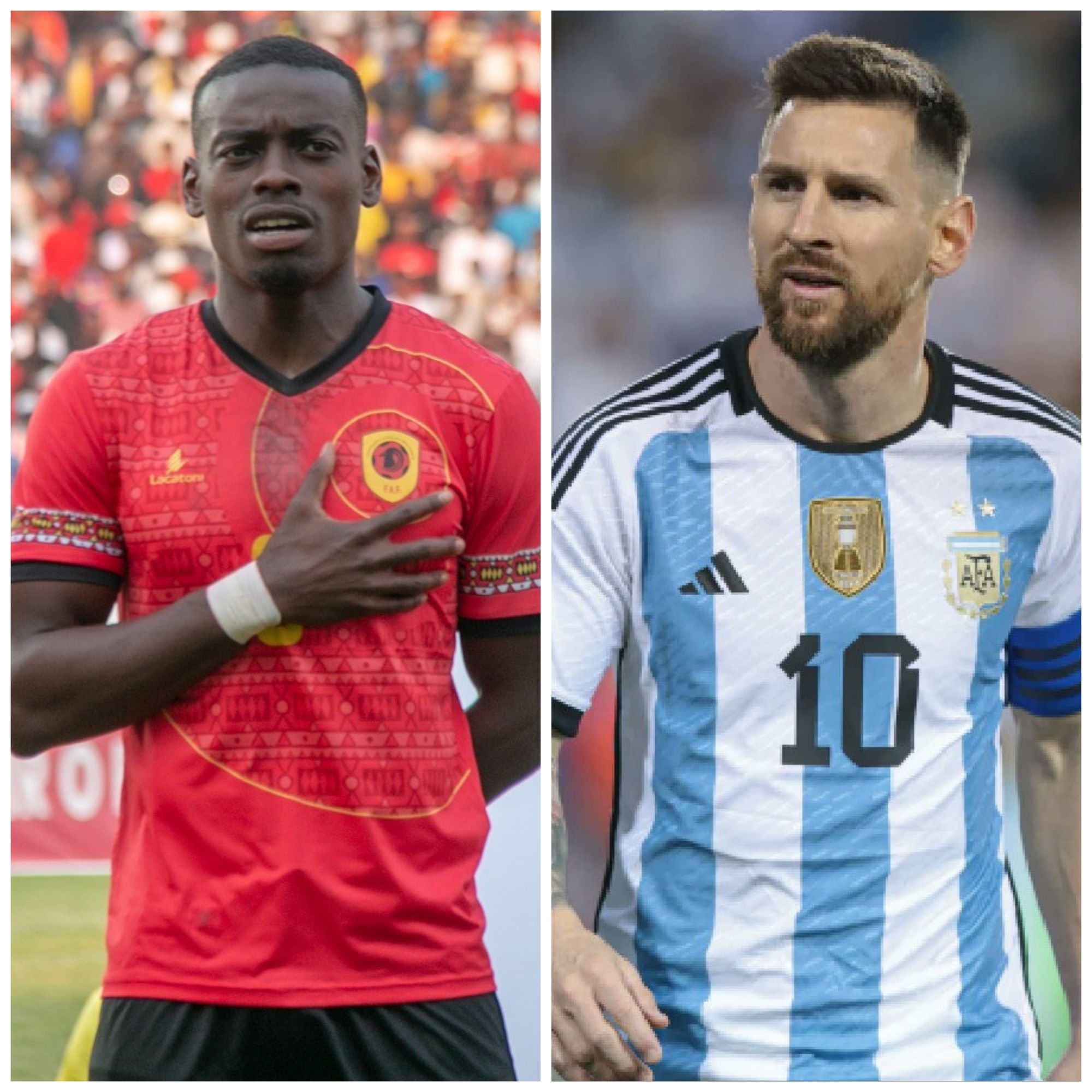
The final whistle blew at the Estádio 11 de Novembro, sealing a predictable result on the scoreboard—a 2-0 victory for the reigning world champions, Argentina—but the truth of the match felt far more nuanced than that scoreline suggests. This was not the expected walk-in-the-park for Lionel Scaloni’s men; rather, it was a gritty, sometimes frustrating, and ultimately rewarding encounter against an Angolan side, the Palancas Negras, who played with a passion and tactical discipline worthy of their nation’s 50th Independence celebration.
Pre-Match Buzz and Uneasy Expectations
Let’s be honest, the global football community had this pegged as a guaranteed Argentinian romp. World Champions, riding a high of near-perfect form since Qatar, facing a highly-ranked, yet historically less prominent, African side in an exhibition friendly. The buzz in Luanda, however, was about more than just football; it was a festival atmosphere, a chance to see the greatest player of all time, Lionel Messi, grace the pitch.
Scaloni opted for a slightly experimental lineup, a necessary rotation given the logistics and the sheer distance traveled. We saw Geronimo Rulli in goal, a welcome sight for him, and a midfield featuring Alexis Mac Allister, Rodrigo De Paul, and Giovani Lo Celso, maintaining the spine. Up front, it was the lethal tandem of Messi and Lautaro Martínez.
Angola, under the guidance of Patrice Beaumelle, lined up in a compact 4-4-2, designed to frustrate, absorb pressure, and hit on the break using the pace of Zito Luvumbo and the power of M’Bala Nzola. My gut feeling, shared by many watching, was that this disciplined defensive block would hold out for 20, maybe 30 minutes, before the Argentinian class shone through. Oh, how wrong we were about the timing.
First Half: The Walls of Luanda Hold Firm
The opening half-hour was a textbook display of “how to frustrate a superior opponent.” Argentina controlled the ball, dominating possession with a whopping 70% in the first 45, but they were playing entirely in front of a well-organized Angolan back four, led superbly by Kialonda Gaspar and the experienced Clinton Mata. The Palancas Negras were physical, disciplined, and utterly unwilling to give an inch in their own third.
De Paul and Lo Celso tried everything: sharp, penetrating passes through the lines, diagonal balls to switch the play, and even a few speculative long shots that sailed harmlessly wide. The frustration on Mac Allister’s face was palpable around the 25th minute after he was cynically, yet strategically, bundled over near the halfway line by Angolan captain Fredy. That was the story: small, tactical fouls breaking up any Argentinian rhythm before it could really start.
The Ice-Breaker: A Moment of Pure Genius
Just when it felt like the game would trudge to a frustrating 0-0 at the break, the turning point arrived in the 43rd minute. And, naturally, it involved Messi.
Collecting the ball deep on the right flank, almost in midfield, Messi took one look up, and delivered a through-ball that was truly breathtaking—a low, curling pass that sliced clean through the heart of the Angolan defence, bypassing three converging defenders. Lautaro Martínez was on it in a flash. His run was perfectly timed, staying a whisper onside, and his finish was clinical. A powerful, low drive past the diving Hugo Marques. It was a goal born from Argentinian patience and one moment of individual, world-class vision. The collective sigh of relief from the Albiceleste bench was almost audible. It was cruel on Angola, but that’s what happens when you switch off for a split second against the best.
Second Half: Angola Finds Its Voice
The second half was a completely different beast. Trailing 1-0, Angola realized they had nothing to lose. Manager Beaumelle made a bold tactical shift, pushing the wingers higher and replacing one of the defensive midfielders with a more attack-minded player, Luvumbo in particular becoming a genuine menace down the right.
Suddenly, the game was stretched, and Argentina’s usually rock-solid defence looked uncomfortable. Cristian Romero and Nicolás Tagliafico found themselves scrambling more than once.
The biggest chance for an Angolan equaliser came just after the hour mark. A blistering counter-attack, started by a brilliant turnover from Fredy, saw Nzola played through on the edge of the box. He took a touch, looked up, and unleashed a thunderbolt that Rulli somehow managed to palm away, albeit awkwardly, the ball bouncing off the post. It was a heart-in-mouth moment that reminded everyone this was a real contest, not a training drill.
The Substitutions and the Final Flourish
Scaloni reacted perfectly. He brought on fresh legs, introducing Thiago Almada and Leandro Paredes to regain control of the midfield tempo. The substitutions worked immediately, allowing Argentina to slow the frantic pace and re-establish their passing lanes. The move to bring on Paredes was a tactical masterstroke, creating a more solid double pivot that limited Angolan counter-attacks.
The final goal, in the 82nd minute, felt like the closing of a chapter, the moment the champions finally stamped their authority on a game that had challenged them. It was a gorgeous reversal of the first goal’s roles. Lautaro Martínez, dropping deep, held the ball up with his back to goal, drawing Kialonda Gaspar out of position. He then executed a quick lay-off to a surging Messi, who was lurking just inside the box. It wasn’t a worldie, but it was a Messi special—a low, accurate, left-footed shot that nestled into the far corner. 2-0. The roar of the Angolan crowd, surprisingly, was almost as loud as the Argentinian contingent. They came to see the master, and the master delivered.
The Tactical Deep Dive
- Argentina’s Struggle: Their primary tactical challenge was breaking the low block. They lacked the width in the first half, relying too much on central combinations. The full-backs, Juan Foyth and Nicolás González, were often pinned back or failed to provide sufficient overlap until the last 20 minutes. The lack of a true, dynamic winger was noticeable until Almada’s arrival.
- Angola’s Success: Beaumelle’s use of a compact, narrow 4-4-2 was magnificent. They forced Argentina to play U-shaped football—passing the ball around the horseshoe of their defence without penetration. The key was the energy of the central midfield pair, who tracked De Paul and Mac Allister relentlessly, denying them the space to play those killer passes.
- The Turning Point: The introduction of Paredes for Lo Celso in the 70th minute was the decisive tactical change. It brought maturity and better structure to the midfield, allowing De Paul to roam and press higher, ultimately leading to the space Lautaro exploited for the second goal.
Player Ratings: The Good, The Bad, and The Standouts
| Player | Team | Rating | Analysis |
| Lionel Messi | Argentina | 8.5/10 (Man of the Match) | Scored one, assisted one. His through-ball for the opener was pure magic. Quiet for long spells, but when he decides to turn it on, the result is instantaneous. |
| Lautaro Martínez | Argentina | 8.0/10 | Clinical finish, fantastic hold-up play, and the perfect assist for Messi. The ‘Toro’ is in sublime form and is cementing his place as the main striker. |
| Fredy (C) | Angola | 8.5/10 | The heart and soul of the Angolan effort. Relentless, tireless, and tactically flawless in shielding the defence. A true captain’s performance. |
| Zito Luvumbo | Angola | 7.5/10 | A live wire. His pace and trickery caused Tagliafico and González real issues, especially in the second half. Angola’s best offensive outlet. |
| Nicolás González | Argentina | 6.0/10 | Energetic, but his passing was loose, and he struggled to provide the necessary attacking quality on the left. A frustrating night for the Fiorentina man. |
Post-Match Reaction and Final Verdict
The tone in the post-match interviews was one of mutual respect. Scaloni admitted he was “surprised by Angola’s tactical discipline and fight.” He rightfully praised his side’s patience, but admitted the midfield struggled to find their rhythm for significant periods.
Angola’s coach, Patrice Beaumelle, was beaming with pride. “To hold the World Champions to 1-0 for over 80 minutes is a victory in itself for us,” he said. “We showed we can compete.” The atmosphere in the stadium remained electric long after the final whistle, a celebration of a performance that defied the odds, even if it didn’t defy the final result.
This was a perfect friendly for Argentina. It wasn’t a confidence-boosting demolition job, but a gritty, tactical test that the team needed to pass. It exposed a few potential issues against a well-coached, deep-lying defence—namely, how to generate sufficient width and penetration when the central area is jammed.
Ultimately, the difference was what it so often is: the sheer, undeniable quality of the world-class individuals. Argentina found two moments of brilliance through their two most dangerous forwards, and that was enough. The Albiceleste leave Luanda with a 2-0 win, a clean sheet, and most importantly, valuable lessons learned against a passionate and genuinely talented Angolan side that should hold their heads high as they head into their continental tournament preparations. It was a good match, a tough night, and a victory earned, not given.